

Rimming is one of the most taboo things two people can do in bed, and one of the most quietly common. This article looks at it the way a sexologist would: without judgement, with the research on the table, and with honesty about both the pleasure and the risks.
The short version
- In heterosexual couples, rimming is mostly given by men and received by women.
- Nerve endings explain why receiving feels good. They do not explain why giving is exciting.
- For many men, a partner’s natural scent is a central part of the attraction. Not pheromones: familiarity, arousal and the switching-off of disgust.
- Clean is not odourless. After washing, the area keeps its own natural scent, and for many people that is part of the pleasure.
- The health risks are real: STIs and gut infections, including hepatitis A. Vaccination, barriers and timing reduce them.
- Ask first, never surprise, and receiving never obliges anyone to give.
This article focuses mainly on heterosexual couples, where the gap between giving and receiving is most visible. The anatomy, hygiene and health advice apply to everyone, whatever the gender of your partner.
01What rimming is
Rimming, medically called anilingus, is oral stimulation of the anus: kissing, licking or using the tongue around the anal opening and the area around it, including the perineum and buttocks. It is also known as a rim job, and is sometimes misspelt analingus or anulingus. The person who uses their mouth is the giver; the person being licked is the receiver.
It rarely happens on its own. Most often it is part of oral sex, a natural extension of going down on a partner, or part of foreplay before other kinds of sex.
02Who gives, who receives
Good data on rimming is scarce, but one study stands out. Researchers surveyed 709 heterosexual adults at a sexual health clinic in Melbourne and asked what they had done in the previous three months.1
of men had given rimming, compared with 9.3% of women1
of women had received it, compared with 12.6% of men1
giving it was twice as common in people aged 35+ as in those aged 18–241
A sexual health clinic is not a representative sample, so the exact numbers should be treated with care. But the pattern matches what people describe everywhere they talk about it, from English-language forums to Italian ones: he gives, she receives, and she rarely gives it back. The interesting question is why.
03What every guide tells you, and what it misses
Almost every article on rimming gives the same explanation: the anus and the skin around it are rich in nerve endings that are highly sensitive to touch.2 That is true, and it is why so many people enjoy receiving it.
But it only answers half the question. Nerve endings explain what the receiver feels. They say nothing about why the giver — usually a man, often someone who asks for it rather than being asked — finds it so exciting. “Because it gives her pleasure” is part of the answer, but men give plenty of pleasure in other ways without the same intensity of desire. Something else is going on.
Nerve endings explain why rimming feels good to receive. They do not explain why so many men want to give it.
04The missing piece: scent
Rimming is the most olfactory thing people do in bed. For its entire duration, the giver’s nose is pressed against a partner’s body, in the one place where the body’s own scent is most concentrated and most individual. For a large number of the men who love it, that is not a side effect to be tolerated. It is part of the point.
What men say
Read enough first-hand accounts, on forums, in question-and-answer sites and in sex columns, and the same theme comes up again and again.
In their words
- Men describe their partner’s natural scent as what draws them in, and are careful to distinguish it from being unwashed: a natural smell, not a bad one.
- They describe it as specific to one person: it works with the partner they are attracted to, “if the chemistry is right”, and not in general.
- They reach for animal language: instinct, chemistry, “the animal in us”.
- Others say the opposite: they love giving it precisely because their partner has almost no scent at all. For them, the act itself is the attraction.
- And some men, in positions like 69, find their nose pressed against their partner more than they would like, and want a kind way to change position. That is normal too.
So scent divides people. For some it is the heart of the experience, for others it is neutral, and for others it is something to manage. But it is almost never absent from the conversation — only from the guides.
No, it is not pheromones
The explanation people most often reach for is pheromones. The science does not support it. After decades of research, a major review by Oxford biologist Tristram Wyatt concluded that the molecules usually described as human sex pheromones do not stand up to scrutiny, and that we do not yet know whether humans have pheromones at all.3
But the absence of pheromones does not mean scent is irrelevant. The research points to three other mechanisms that, together, explain what men describe much better.
1. A partner’s scent is not like any other
In a study of 96 couples, women who smelled a T-shirt their partner had worn felt less stressed than women who smelled a stranger’s or an unworn shirt, and women who recognised their partner’s scent had lower levels of the stress hormone cortisol. A stranger’s scent, by contrast, raised cortisol.4 The brain treats the smell of someone we are bonded to as a signal in its own right: familiar, safe, theirs. That fits exactly with men saying it works with one partner and not with anyone.
2. Arousal rewrites the smell
Disgust is the body’s defence against contamination, and smell is one of its main triggers. Sexual arousal turns that defence down. Men who were sexually aroused reported significantly less disgust towards sex-related disgust cues,5 and sexually aroused women felt less disgust and were more willing to do tasks they would normally avoid.6 The same scent that would be unpleasant in a cold, neutral moment can become neutral, then intimate, then arousing, once desire is high. Rimming almost always happens when arousal is already at its peak.
3. Clean is not odourless
Washing removes odour from sweat and stool. It does not remove a person’s own scent. After a shower or a bidet, the anus and the skin around it still smell of the person, just as the vulva, the penis, the neck and the armpits do. For the men who love rimming, that natural, individual scent of a freshly washed partner is part of what they are drawn to. It is the difference they describe between a natural smell and a bad one.

05The rest of the reward
Scent is the element most guides leave out, but it is not the only one. Several other factors are usually at work at the same time.
- The mouth is an erogenous zone. The lips and tongue are densely packed with nerve endings, which is why kissing is pleasurable for both people. Rimming is intensely tactile for the giver too: warmth, texture, contrast.
- The taboo. Sexologists have long observed that obstacles and prohibitions intensify desire. Few parts of the body are more taboo than this one, and crossing that line, with permission, is exciting in itself.
- Total acceptance. Therapists describe rimming as a way of saying “nothing about your body puts me off”. For the giver, it is also a powerful image of his own desire: he wants her so much that nothing is off limits.2
- Power, in either direction. For some men it is devotion or worship: kneeling, serving, giving. For others it is dominant: claiming every part of a partner’s body. The same act carries opposite meanings, which is why it often appears in BDSM and power-exchange play.
06The receiving side
Women who enjoy receiving rimming often describe it less in terms of sensation and more in terms of being desired. To be wanted that completely, including the part of the body that culture treats as the least desirable, can feel powerful. Some describe it as animal and liberating; others as a deep form of intimacy.
Others are more lukewarm: it feels good, not extraordinary. And many feel self-conscious the first time, worried about cleanliness or about what it means. Every one of those reactions is normal. Receiving rimming is not a test of sexual openness, and there is no right way to feel about it.
07Why women give it less
If women enjoy receiving rimming, why do so few give it? The research suggests three overlapping reasons.
- Disgust works differently. In laboratory research, disgust dampened women’s sexual arousal more strongly than fear did.7 The brake that arousal has to release is, for many women, harder to release.
- Hygiene anxiety. Women more often set cleanliness as an explicit condition, for giving and receiving. In one Italian forum discussion, the consensus among women was simple: wonderful, but only if the area is groomed and clean.
- Sexual scripts. Men are encouraged to be adventurous; women are often still judged for it. Some of the gap is likely to be in what women feel able to say, not only in what they want.
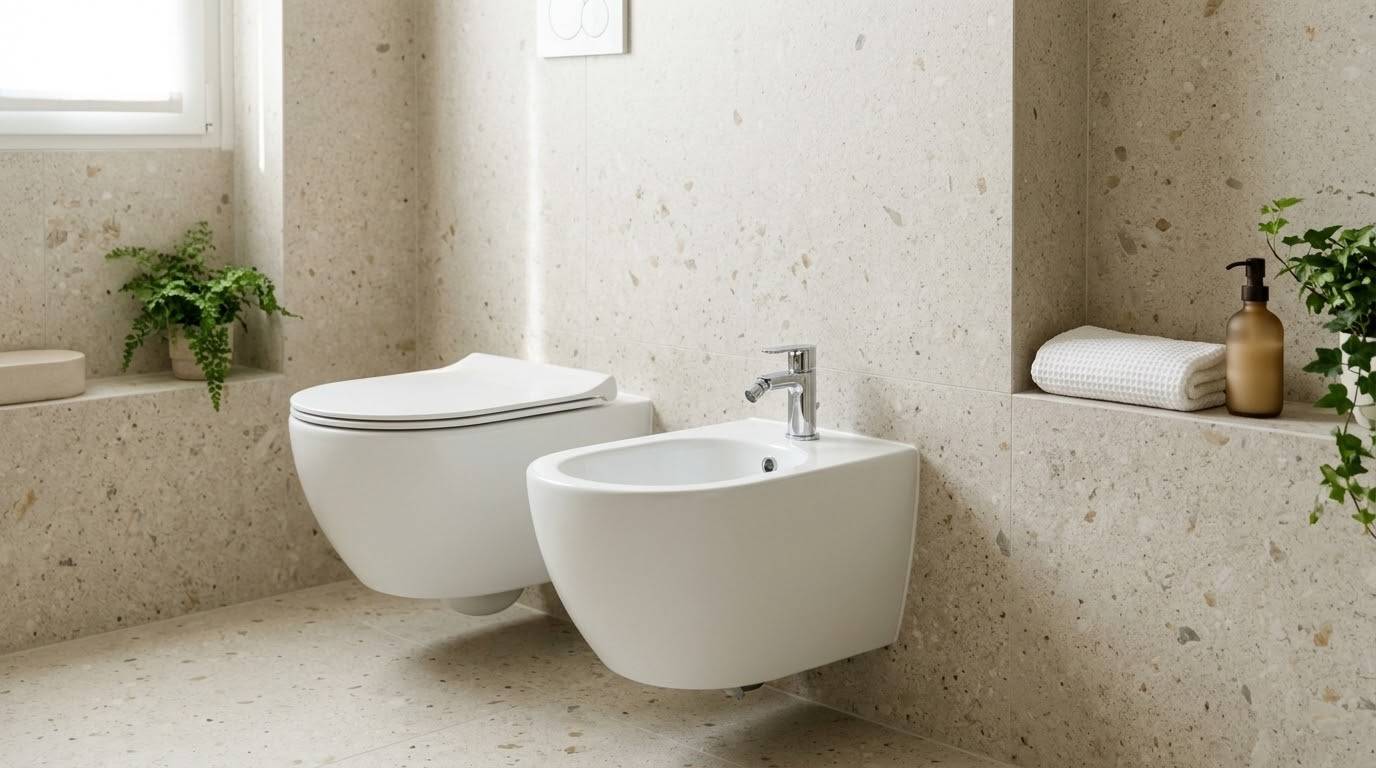
The bidet factor. If hygiene anxiety is the main barrier, where you live may matter. In Italy, a 1975 health decree requires every home to have at least one bathroom with a toilet, a bidet, a bath or shower and a washbasin,8 and around three quarters of Italian holiday accommodation lists a bidet, compared with under 1% in the United States.9 Where freshening up is a ten-second routine rather than a full shower, it can be done spontaneously and without awkwardness. No study has yet tested whether that changes how often couples practise rimming, so treat this as an observation rather than a finding. But it is worth noticing: the bidet removes the anxiety, not the health risk.
08Myths and facts
09The real health risks
A sexologist would be failing you if the article stopped at pleasure. Rimming carries more infection risk than most sexual activities, because it brings the mouth into contact with traces of stool, even on skin that looks and smells clean. There are two families of risk.
| Infection | How it spreads | Main protection |
|---|---|---|
| Hepatitis A | Faecal-oral route; linked to outbreaks via rimming11 | Vaccination |
| Shigella, E. coli | Traces of stool on the skin around the anus, buttocks and genitals12 | Barriers, washing, no sex with diarrhoea |
| Giardia and other parasites | Oral-anal contact13 | Barriers, washing |
| Gonorrhoea, chlamydia, syphilis | Oral sex, including oral-anal contact13 | Barriers, regular testing including throat |
| Herpes, HPV | Skin-to-skin contact13 | Avoid with sores; HPV vaccination |
| Hepatitis B | Oral-anal contact (lower risk)13,10 | Vaccination |
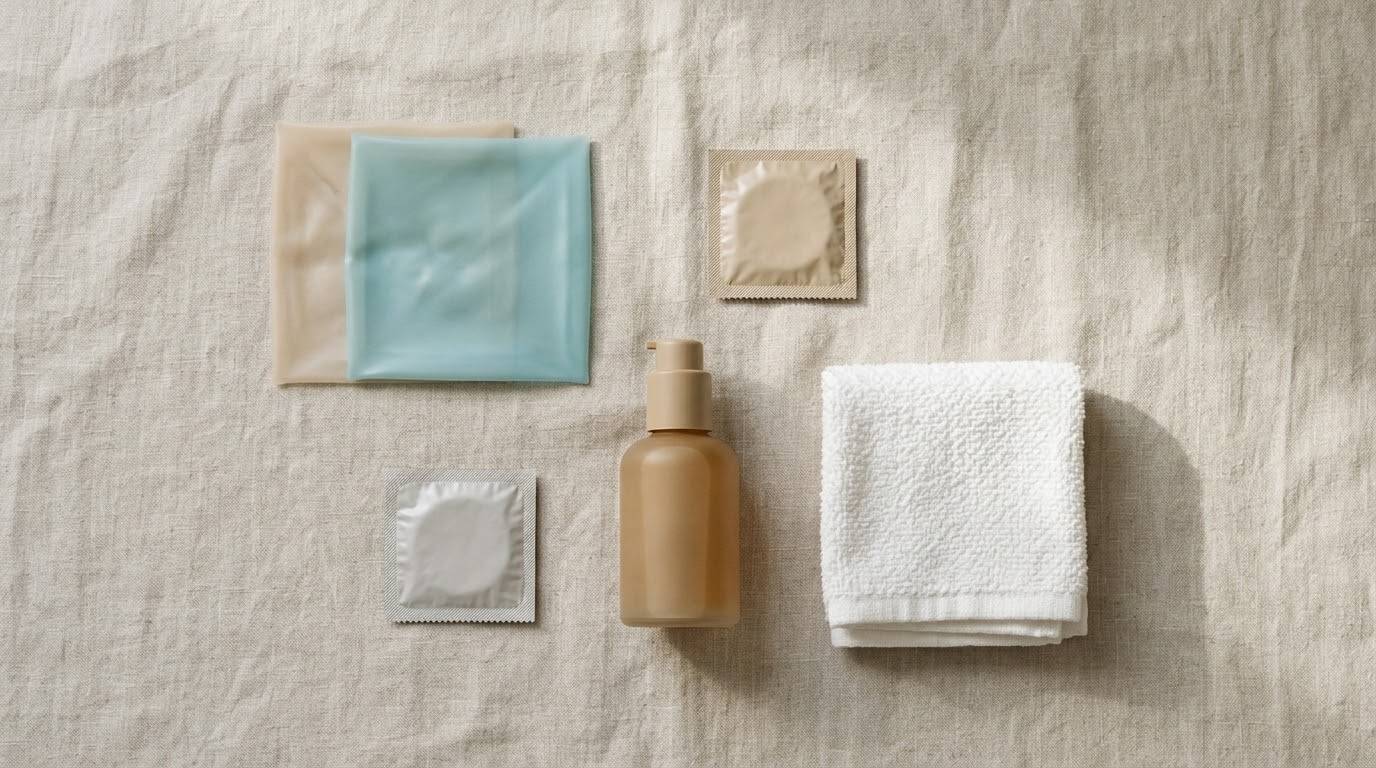
Public health authorities recommend a barrier for oral-anal contact: a dental dam, or a non-lubricated condom cut open into a square.13 The CDC also advises avoiding sex during bloody or prolonged diarrhoea and for at least two weeks after it ends, washing hands, genitals and anus before and after sex, and washing toys after every use.12 Vaccination against hepatitis A is recommended for people at higher risk, including people who have anal sex.10
A frank note. Men who rim many partners, including casual partners or sex workers, are at real risk of gut infections and hepatitis A. Washing does not remove that risk. If you practise rimming outside a tested, monogamous relationship, use barriers, get vaccinated against hepatitis A, and see a doctor for any diarrhoea, fever or jaundice afterwards. Simply smelling, without oral contact, carries far less risk, but wash your hands afterwards.
10Preparing safely, step by step
For external play, preparation is simpler than most people think. No enema is needed. What matters is timing, gentle washing and a few non-negotiable rules.
- Ask first. Never surprise. Talk about it before it happens, outside the moment. Rimming should never be a surprise, and enjoying receiving it never creates an obligation to give it.
- Check health first. Skip it if either partner has diarrhoea or has had it in the last two weeks, or has cold sores, mouth ulcers, a sore throat or anal symptoms. Consider hepatitis A and HPV vaccination, and test regularly if you have new partners.
- Use the toilet well before. Have a bowel movement about half an hour beforehand, not in the last five minutes, so the body has settled.
- Wash gently: shower or bidet. Wash the area in the shower or on the bidet with warm water and a mild, pH-neutral intimate wash, rinsing the entrance gently with a clean finger. Harsh soaps dry and irritate the skin. An enema is not needed for external play.
- Dry thoroughly. Pat the area completely dry. Damp skin irritates more easily and soap residue stings.
- Groom a day ahead, if at all. If you like the area smooth, shave or trim at least 24 hours before, never the same evening, so tiny nicks have time to close. Grooming is a preference, not a requirement.
- Use a barrier with new partners. With a new partner, or if you do not know each other's test results, place a dental dam or a condom cut open into a square between the mouth and the anus. Avoid brushing or flossing just before, which can leave tiny cuts in the gums.
- Never go from anus to vagina. Anything that has touched the anus, including a tongue, finger, toy or condom, must not go to the vagina without washing or a fresh condom. Wash hands and rinse the mouth afterwards.
11Consent and conversation
Because rimming is so taboo, it is easy to get the conversation wrong in both directions.
- Never surprise someone with it. A partner who is caught off guard in the middle of sex may not know whether they liked it, and may feel unable to say so afterwards. Ask first, outside the moment.
- Receiving does not oblige giving. One of the most common sources of tension is a man who loves giving rimming and is hurt that his partner will not do it back. Disappointment is human. Pressure, sulking or repeated asking are not acceptable.
- If scent bothers you, adjust kindly. If you are the partner who would rather not have your nose pressed close, change position rather than comment on her body: a side-by-side 69 or having her sit facing forward gives you control. Many partners are embarrassed by remarks about smell, and there is rarely a reason to make them.
- If scent excites you, say so, gently. Many receivers worry about how they smell. Hearing that a partner finds their natural scent attractive can turn anxiety into confidence.
Desire, honestly explored
BentBox is a marketplace for independent creators, couples and collectors who believe sexuality deserves to be shown and discussed with care and honesty. Every creator is verified, and every piece of content is consensual.
Join BentBox More on sexual health →FAQFrequently asked questions
What is rimming?
Rimming, known medically as anilingus, is oral stimulation of the anus: licking, kissing or using the tongue around the anal opening and the surrounding area. It is practised by people of every gender and sexual orientation, often as part of oral sex or foreplay.
Why do men like giving rimming?
Several things combine. Sexual arousal lowers disgust, so a taboo act becomes exciting rather than off-putting. The taboo itself intensifies arousal. The lips and tongue are erogenous zones, so the giver feels it too. Many men also describe it as total acceptance of their partner. And for a large number of men, the partner's natural scent is a central part of the attraction, a factor most guides leave out.
Why does smell matter in rimming?
Rimming is the most olfactory sex act: the nose is pressed close to the body for its whole duration. After washing, the area still has a natural, individual scent, just as the vulva or penis does. Research shows that a familiar partner's scent has measurable effects, and that sexual arousal reduces disgust, so a smell that would be off-putting outside sex can become arousing during it. The popular explanation, pheromones, has not been proven in humans.
Do women enjoy rimming?
Many women enjoy receiving it. Far fewer give it. In a survey of heterosexual adults at a Melbourne sexual health clinic, 26.6 percent of women had received rimming in the previous three months, compared with 12.6 percent of men, while 25.5 percent of men had given it compared with 9.3 percent of women. Disgust sensitivity, hygiene anxiety and social scripts all appear to play a part.
Is rimming safe?
It carries more risk than most sexual activities, because it brings the mouth into contact with traces of stool. It can transmit STIs such as gonorrhoea, chlamydia, syphilis, herpes and HPV, and gut infections such as hepatitis A, Shigella, E. coli and Giardia. Washing reduces but does not remove the risk. Barriers such as dental dams, vaccination, testing and avoiding it when anyone has diarrhoea make it much safer.
Can you get hepatitis A from rimming?
Yes. Hepatitis A spreads through the faecal-oral route, and health authorities link rimming to outbreaks, even when the area looks clean. A safe and effective vaccine exists, and it is worth considering for anyone who practises rimming, especially with more than one partner.
How do you clean before rimming?
Go to the toilet about half an hour before, then wash in the shower or on the bidet with warm water and a mild, pH-neutral wash, gently rinsing the entrance with a clean finger, and dry thoroughly. An enema is not needed for external play, and frequent douching can irritate the lining of the rectum. If you groom the area, do it at least a day before.
What is a dental dam?
A dental dam is a thin square of latex or polyurethane placed between the mouth and the anus or vulva during oral sex, to reduce the risk of infections. If you do not have one, a condom cut along its length and opened into a square works the same way.
If my partner rims me, do I have to do it back?
No. Enjoying receiving something never creates an obligation to give it. Many couples have an arrangement where one partner gives and the other receives, and that is perfectly healthy as long as neither feels pressured. Disappointment is understandable; pressure is not acceptable.
Does liking rimming mean you are gay?
No. Sexual orientation is about who you are attracted to, not which acts you enjoy. Rimming is practised by heterosexual, gay and bisexual people of every gender, and in heterosexual couples it is most often given by men to women.
SOURCESReferences
- Thomas R. Phillips, Eric P. F. Chow et al.. Oral, Vaginal and Anal Sexual Practices among Heterosexual Males and Females Attending a Sexual Health Clinic: A Cross-Sectional Survey in Melbourne, Australia. International Journal of Environmental Research and Public Health, 2021.
- Michael Castleman. Rimming: The Curious Couple's Guide to Oral-Anal Play. Psychology Today.
- Tristram D. Wyatt. The search for human pheromones: the lost decades and the necessity of returning to first principles. Proceedings of the Royal Society B, 2015.
- Harvard Gazette (reporting Hofer, Collins, Whillans and Chen, Journal of Personality and Social Psychology). Smelling sweetheart's shirt may lower stress. Harvard University, 2018.
- Richard J. Stevenson, Trevor I. Case and Megan J. Oaten. Effect of Self-Reported Sexual Arousal on Responses to Sex-Related and Non-Sex-Related Disgust Cues. Archives of Sexual Behavior, 2011.
- Charmaine Borg and Peter J. de Jong. Feelings of Disgust and Disgust-Induced Avoidance Weaken following Induced Sexual Arousal in Women. PLOS ONE, 2012.
- Diana S. Fleischman, Lisa D. Hamilton, Daniel M. T. Fessler and Cindy M. Meston. Disgust versus Lust: Exploring the Interactions of Disgust and Fear with Sexual Arousal in Women. PLOS ONE, 2015.
- Ministero della Sanità. Decreto Ministeriale 5 luglio 1975, art. 7 (requisiti igienico-sanitari delle abitazioni). Repubblica Italiana.
- Brilliant Maps (data by QS Supplies from Booking.com listings). Bidet use around the world. Brilliant Maps.
- Better Health Channel, Department of Health, Victoria. Oral sex. Victoria State Government.
- Queensland Health. Hepatitis A - sexual health contacts. Queensland Government.
- Centers for Disease Control and Prevention. Shigella: Information for Sexually Active People. CDC.
- Centers for Disease Control and Prevention. About STI Risk and Oral Sex. CDC.
This article is for general education about sexual health and is not medical advice. First-hand accounts quoted or summarised are paraphrased and anonymised. If you have symptoms or concerns about infections, please speak to a doctor or a sexual health clinic.