
Your name is your best keyword. Let us write the page that ranks for it.
Why a written BentBox editorial feature helps photographers, models and creators get found by name, in more languages, and with more credibility than a social profile can give them. And how to get one.
Every sale starts with someone typing your name
A buyer sees one of your images shared somewhere. A model mentions you to a friend. A magazine editor hears your name at a show. What happens next is almost always the same: they search for you.
What they find in the first few results decides whether they keep going. For most photographers and creators, that first page is a patchwork: an Instagram profile that may or may not be visible that week, a half-finished portfolio site, a forum thread, someone else with the same name. None of it tells the story of your work, and very little of it is text that a search engine can actually read.
A BentBox editorial feature fixes that. It is a long-form, written profile of you and your work, published in BentBox Editorial on an established domain, built properly for search, and translated into up to five more languages. It becomes the page that explains who you are to everyone who comes looking.
A recent example: The Kitchen Sink
Jake works under the name The Kitchen Sink: a U.S. boudoir and fine-art photographer with more than thirty years behind the camera, known for discovering first-time models in ordinary places and for the behind-the-scenes stories that run alongside every set. His feature tells that story the way a magazine would.
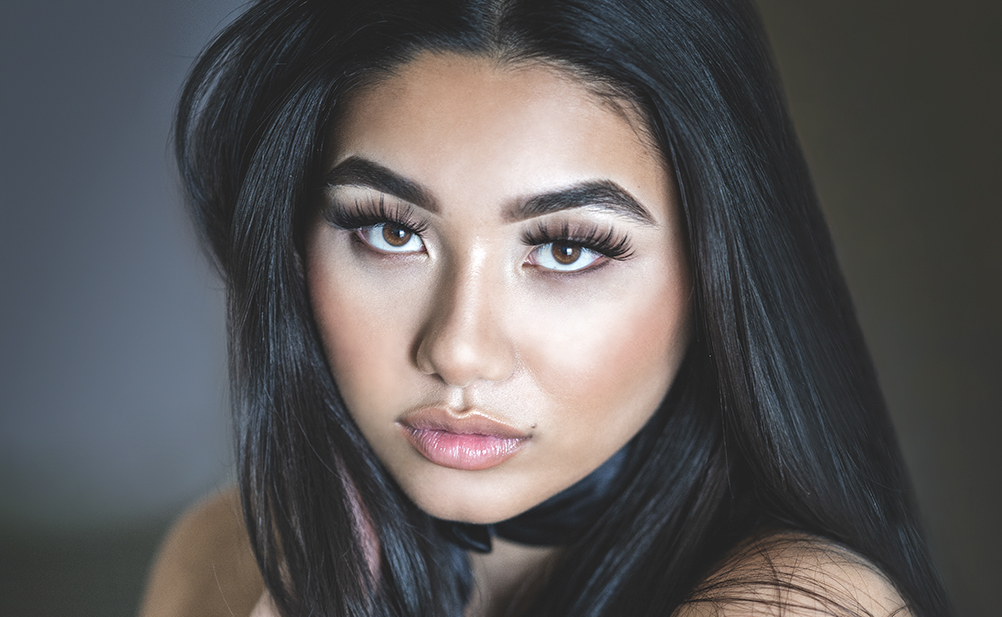
The Kitchen Sink: boudoir and erotica, told cinematically
- A written profile of his background, method and approach to first-time models
- Selected works with titles and captions
- Six language versions, each linked for search engines
- Structured data identifying him as a photographer, linked to his profiles
Eight ways a feature works for you
Rank for your own name
When someone hears about you, they search for you. A feature is a full written page with your name in the title and headline, on a domain that has been indexed for a decade. Social profiles are mostly images and short captions, which gives search engines very little to work with.
Be found in other languages
Features are published in English and translated into up to five more languages, including Italian, French, German, Spanish and Portuguese, each version properly linked for search engines. Buyers in those markets can find you in their own language, without you writing a word.
Tell search engines who you are
Every feature carries structured data describing you as a person: your name, what you do, and links to your website and social profiles. That helps search engines join your scattered profiles into one identity, instead of treating them as strangers.
Show up in AI answers
When someone asks an AI assistant who you are or what kind of work you make, it draws on clear written pages. A well-structured profile gives it accurate facts to repeat, rather than guesses pieced together from captions.
Images that work for you
Your selected works are published with descriptive titles and captions, which is what image search reads. A caption like "Window Study, No. 4" tied to your name is a small, permanent signpost back to you.
A link you can share anywhere
Features sit in BentBox’s safe-for-work editorial section. You can put the link in a bio, a press kit or an email to a magazine or a brand, in places where a link to your shop would be refused.
A third-party voice
Nobody believes a photographer who calls his own work timeless. A considered profile written by an editorial team says what you cannot say about yourself, and new buyers read it that way.
It stays
A post scrolls away in a day. A feature is evergreen: it keeps answering searches for your name for years, and we update it as your work grows.
What a feature can and cannot do
No one can promise you a ranking, and you should be wary of anyone who does. What we can promise is the best possible page about you: complete, accurate, well structured and translated.
Two things make it work faster. First, link to it: from your website, your link-in-bio and your social profiles. Links from places that are clearly yours tell search engines this page is about you. Second, keep working. A feature about an active creator who keeps releasing new work gets refreshed, and fresh pages perform better.
A feature works best for a distinctive name or studio name. If you share a common name with thousands of people, the feature still helps, but it is your studio or working name that will rank first.
Not open to everyone. Open to good work.
We publish a small number of features, and we choose them. That selectivity is what makes a feature worth having: readers and search engines both treat an editorial page differently from a page anyone can buy. We look for:
- A body of work with a style people would recognise without your watermark.
- Something to say: how you work, how you find your subjects, why you shoot what you shoot.
- An active BentBox profile, or a clear plan to build one.
- Work priced like the work it is. We feature creators who respect their own craft.
- Consent and paperwork in order: every model verified and released, every image yours to publish.
That covers photographers, models, couples and creators of every kind. Some of our favourite stories come from people who are not yet well known but already make work with a clear point of view.
From first message to published feature
-
Get in touch
Send us a short note with links to your work and your BentBox profile, and a line on what makes your approach yours.
-
We take a look
Our editorial team reviews your work. If it is a fit, we come back to you to arrange an interview. If it is not a fit yet, we tell you that too.
-
The interview
A conversation by call or in writing, usually under an hour. We want the story behind the work: where it started, how a shoot comes together, what you are after.
-
We write, you check
We write the feature and select the images with you. You review it for factual accuracy before anything goes live.
-
Publish and share
We publish, translate and link the feature from across BentBox. You link to it from your site and socials, which is what makes it rank fastest.
What creators ask first
Have work worth writing about?
Send us a short note with links to your portfolio and your BentBox profile, and tell us what makes your approach yours. We read every message, and we are always happy to hear from good photographers, models and creators with something to say.