
The Complete Photoshoot Checklist: Prep, Consent, and a Clean Paper Trail
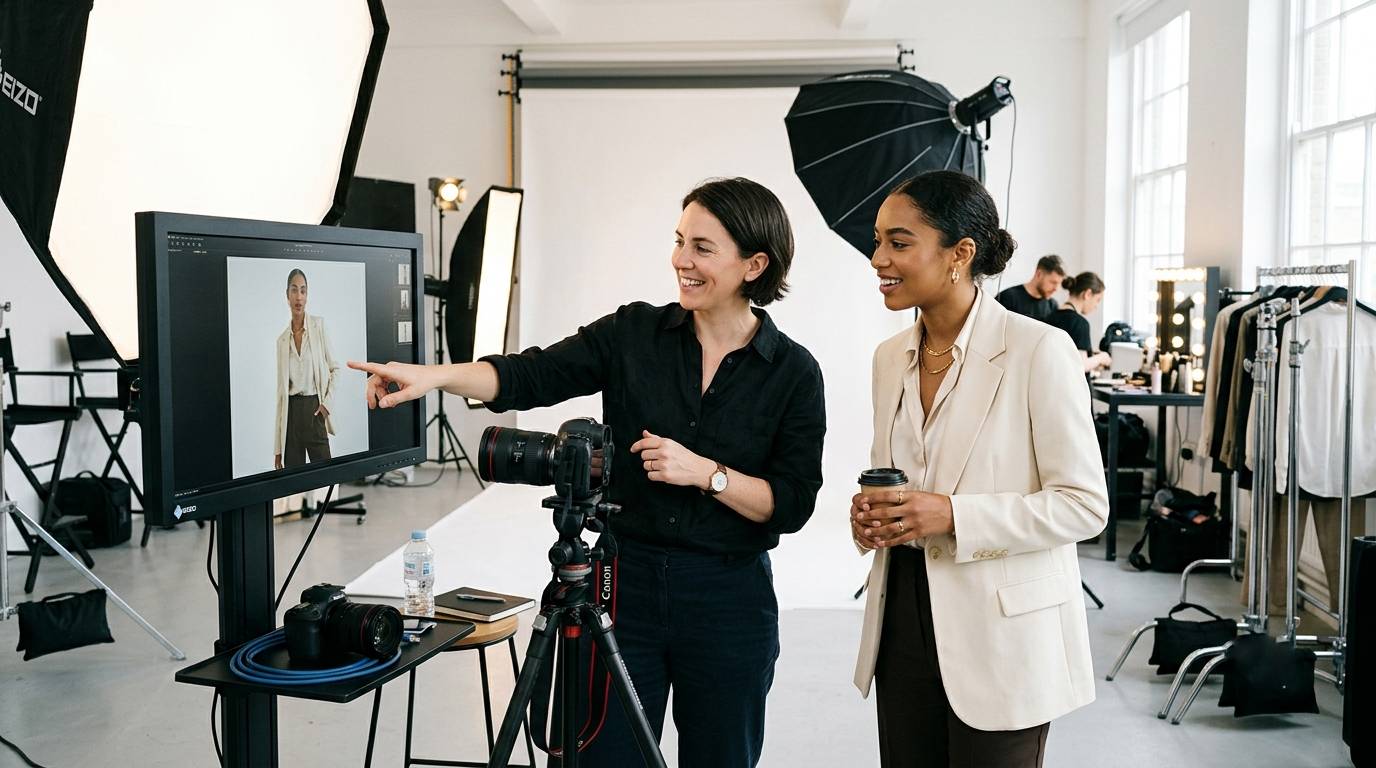
Great photography is only half about gear and lighting. The other half is flawless execution and genuine collaboration. Whether you are shooting fine-art nudes, conceptual portraits, or editorial sets for your BentBox portfolio, organisation is what separates the amateurs from the professionals.
To help you nail your next session, we’ve built the ultimate photoshoot checklist — split into pre-shoot preparation and on-set execution — with a heavy focus on model communication and ironclad documentation. Print it, bookmark it, or tuck it into your camera bag, and walk onto your next set with total confidence.
Pre-Shoot Preparation: The Groundwork
A successful shoot is won before you ever press the shutter. Skipping the prep work is the fastest route to unnecessary stress — and to shots you can’t actually use.
1. Creative & Technical Prep
- Define the concept & mood board. Share a visual mood board (Pinterest, Milanote, or a simple shared album) with your model so everyone agrees on style, lighting, and vibe before the day.
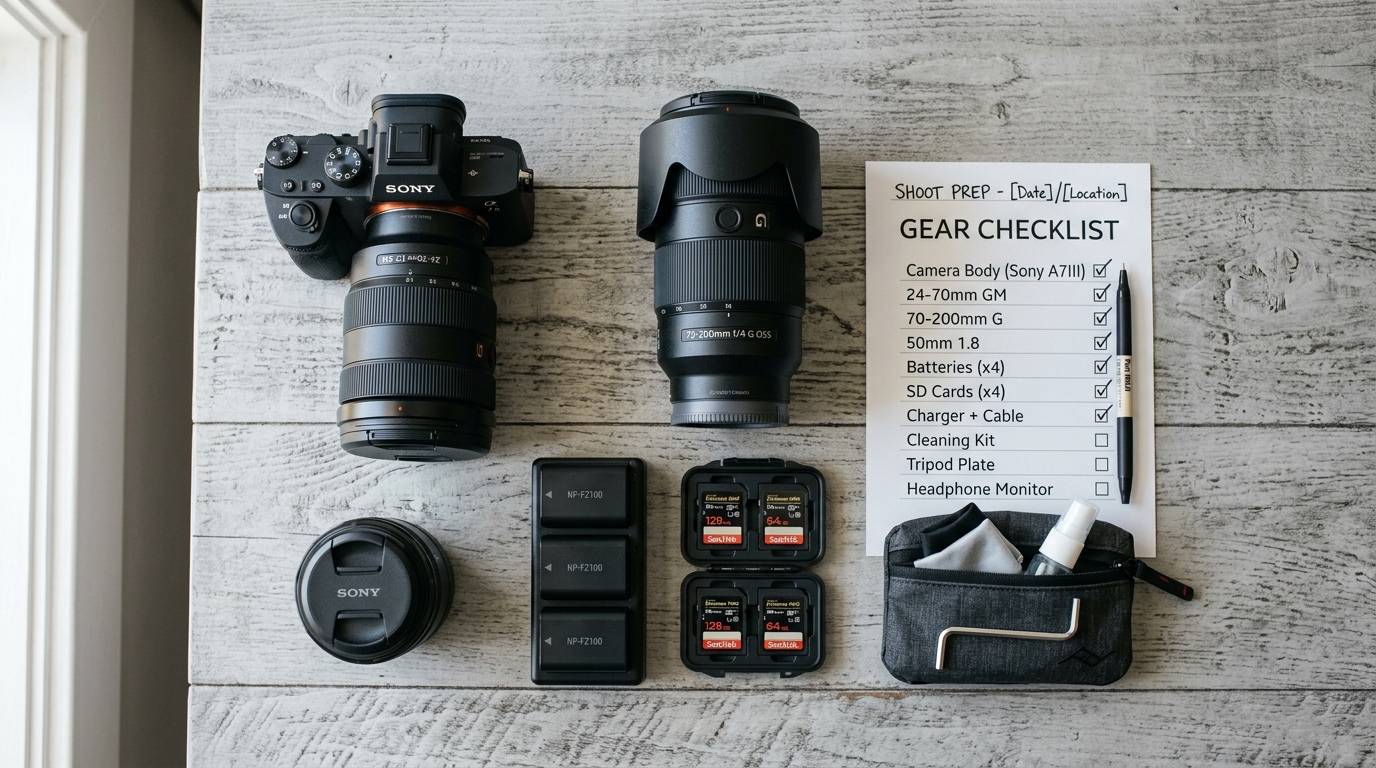
- Gear check & clean. Charge every battery and pack spares, format your memory cards, and clean your lenses and sensor.
- Location scouting & permits. If you’re shooting outdoors or in a public space, check the light at the exact time of day you plan to shoot and secure any permissions or permits you need.
- The “just in case” kit. Safety pins, double-sided tape, clamps, wet wipes, a lint roller, and a basic first-aid kit will save more shoots than you’d expect.
2. Model Communication & Consent
Building trust begins in the planning phase, not on set. Clear boundaries create the best art.
- Set clear expectations. Discuss the specific nature of the shoot up front. Will there be lingerie, implied nudity, or particular styling? Name it early so there are no surprises.
- Discuss compensation & usage. State clearly whether this is a paid gig or a trade (TFP — Time for Print), and exactly where the images will live: your BentBox profile, social media, print, or all three.
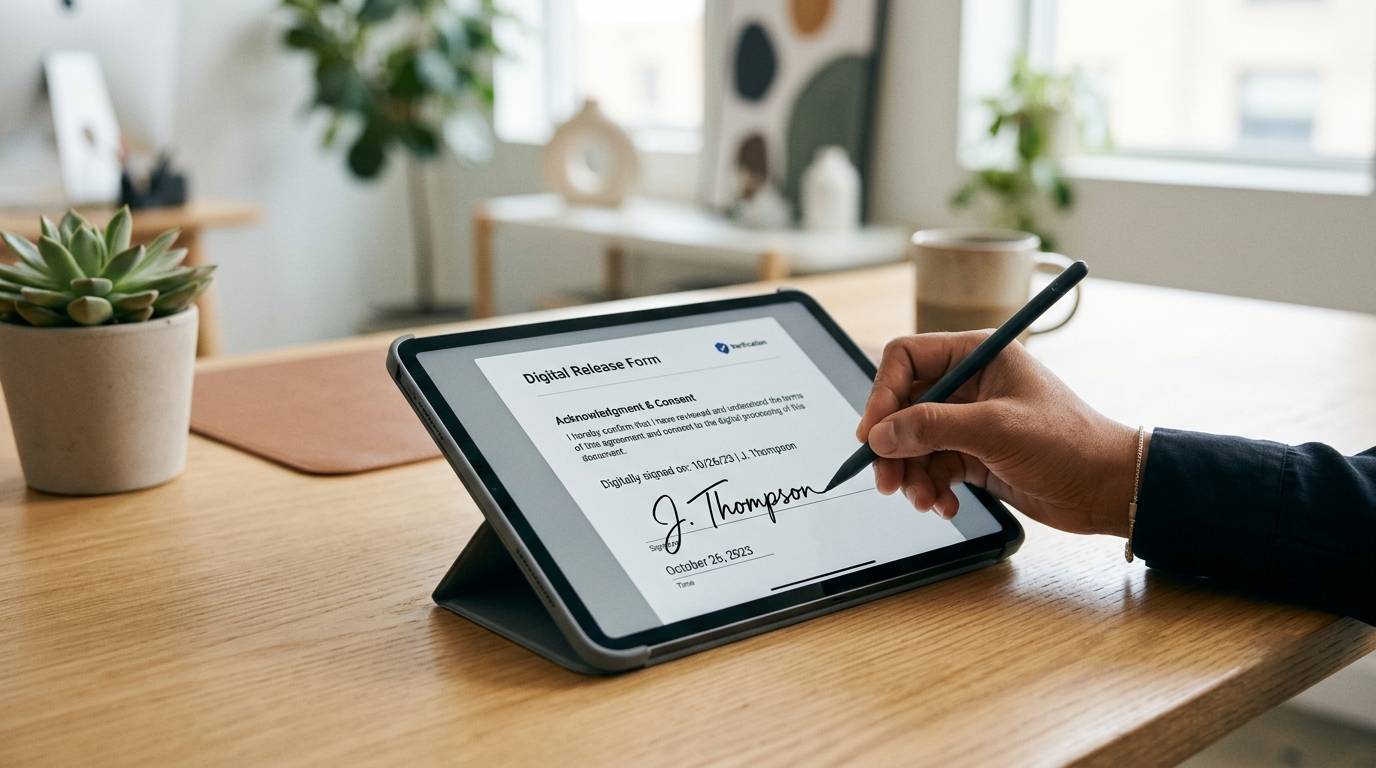
- Pre-send the model release. Never spring a legal document on someone five minutes after they arrive. Send the release 24–48 hours in advance so the model has time to read it, understand it, and ask questions.
During the Photoshoot: The Execution
Once you’re on set, your role shifts from technical director to director of energy and safety. Everything you do sets the tone of the room.
1. Administrative First Step: Paperwork
- Verify identity & age. Check a government-issued photo ID to confirm the model is of legal age — absolutely essential for adult or suggestive content. Tools like ProntoID can handle age and identity verification for you, so the check is documented and defensible.
- Execute the model release. Both parties sign and date the release before the camera comes out. Keep the signed release with your records for the set. ProntoTag gives you a cryptographically signed consent record that ties directly to the shoot, so you’re never relying on a crumpled paper form.
- Specify digital rights. Double-check that the release explicitly covers digital distribution and monetisation if you plan to sell the sets as Boxes on BentBox.
2. Model Interaction & Set Etiquette
A comfortable model delivers the best expressions and poses. Your behaviour dictates the atmosphere of the room — so make it easy for them to do great work.
| Do | Don’t |
|---|---|
| Do maintain a professional, respectful distance. | Don’t ever touch the model to adjust clothing or hair without asking explicit permission first. |
| Do give clear, positive verbal direction. | Don’t use ambiguous or overly flirtatious language. |
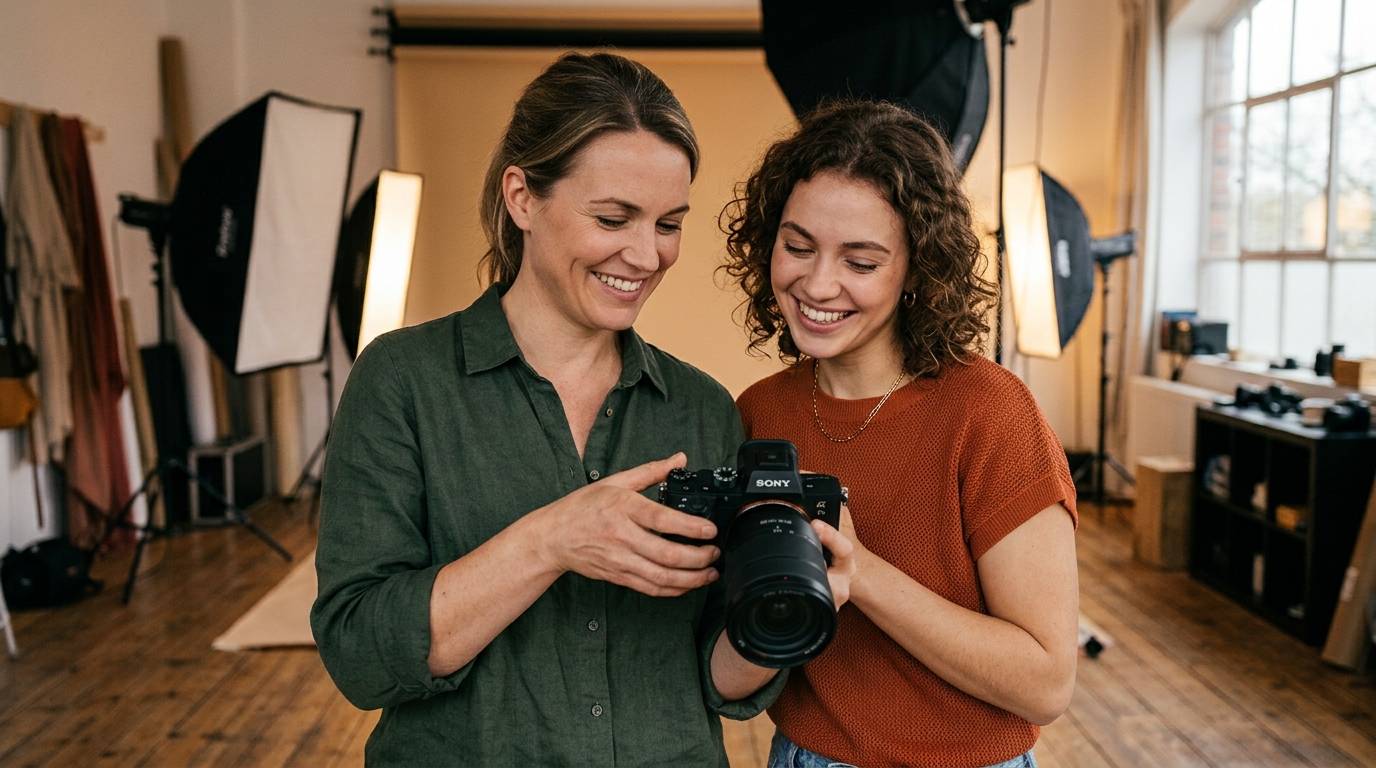
| Do show the model the back of the camera (BOC) early to build confidence. | Don’t keep them in the dark about how the shots are turning out. |
| Do provide a private changing space and keep the set comfortable — temperature, water, snacks. | Don’t rush the model or make them feel awkward about their boundaries. |
- Establish a boundary signal. Let your model know they can say “stop” or “pause” at any moment — if a pose feels uncomfortable, unsafe, or they just need a break.
- Treat consent as continuous. Agreeing to a concept on the mood board doesn’t mean the model can’t change their mind on set. Respect a shift instantly and without guilt-tripping.
3. Wrapping Up
- Final check. Before you pack up, review your images and confirm you got the hero shots you actually came for.
- Discuss next steps. Tell the model your editing timeline and when and how they’ll receive their copies.
- Thank them. Acknowledge their time, talent, and effort. A great experience is what guarantees they’ll want to work with you again.
The Golden Rule for BentBox Creators
When you create content to monetise, your reputation and your legal safety are your most valuable assets. Treat model releases as a non-negotiable step, verify age and identity every single time, and treat your models with absolute respect. Do that consistently and you protect your business while building the kind of creative environment where genuinely high-value content happens naturally.
Frequently Asked Questions
Ready to sell your next set?
Turn your best work into Boxes and keep 100% of your listed price.
Start a Box