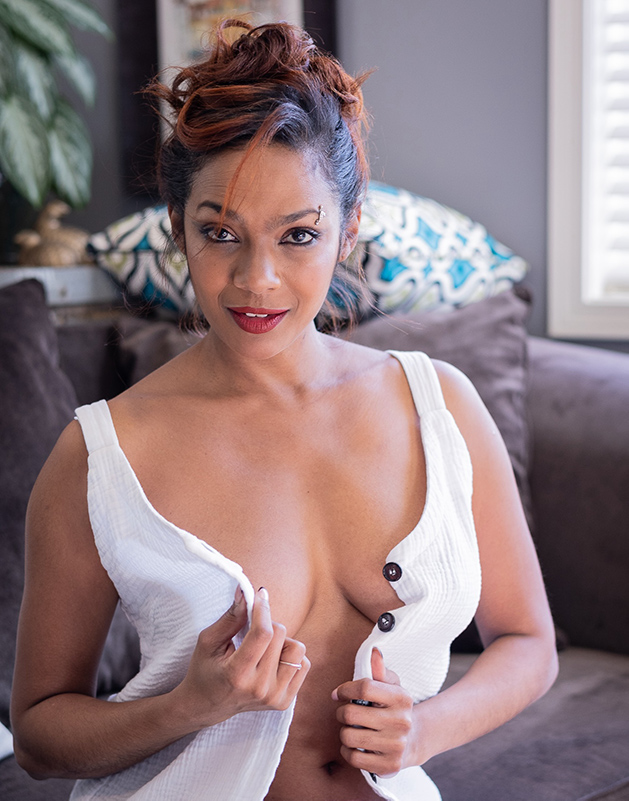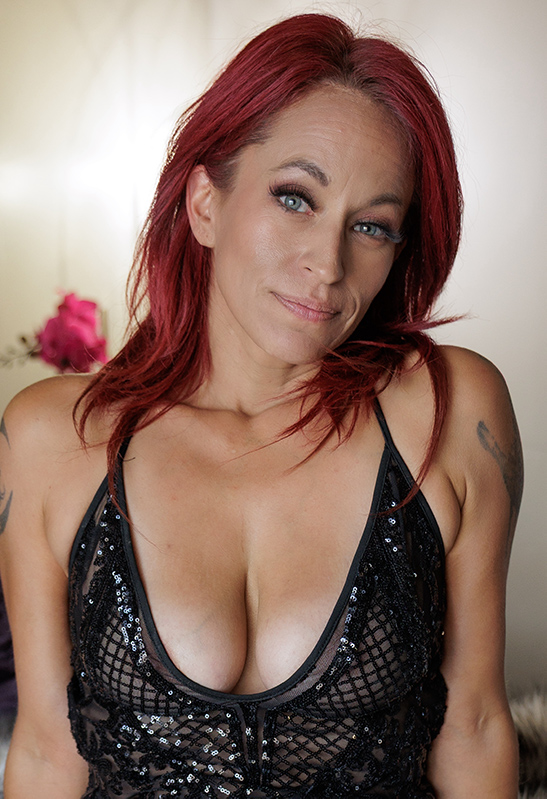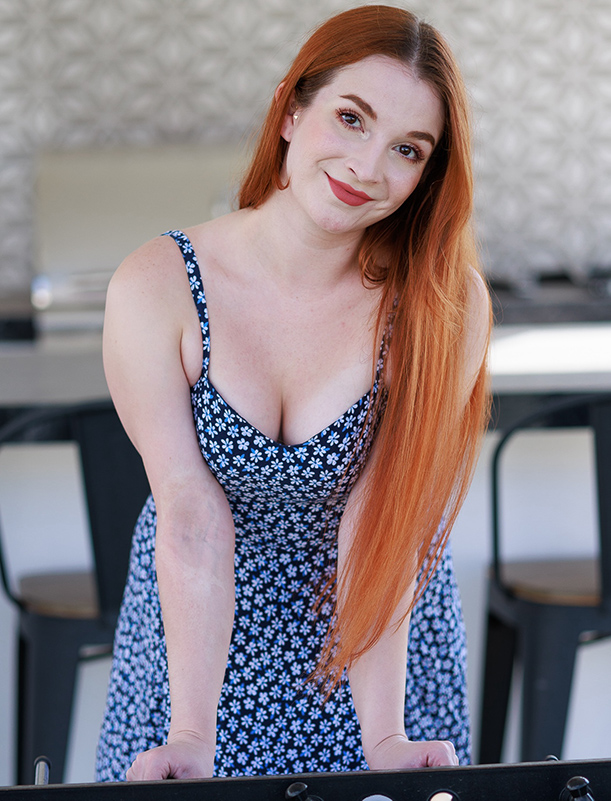
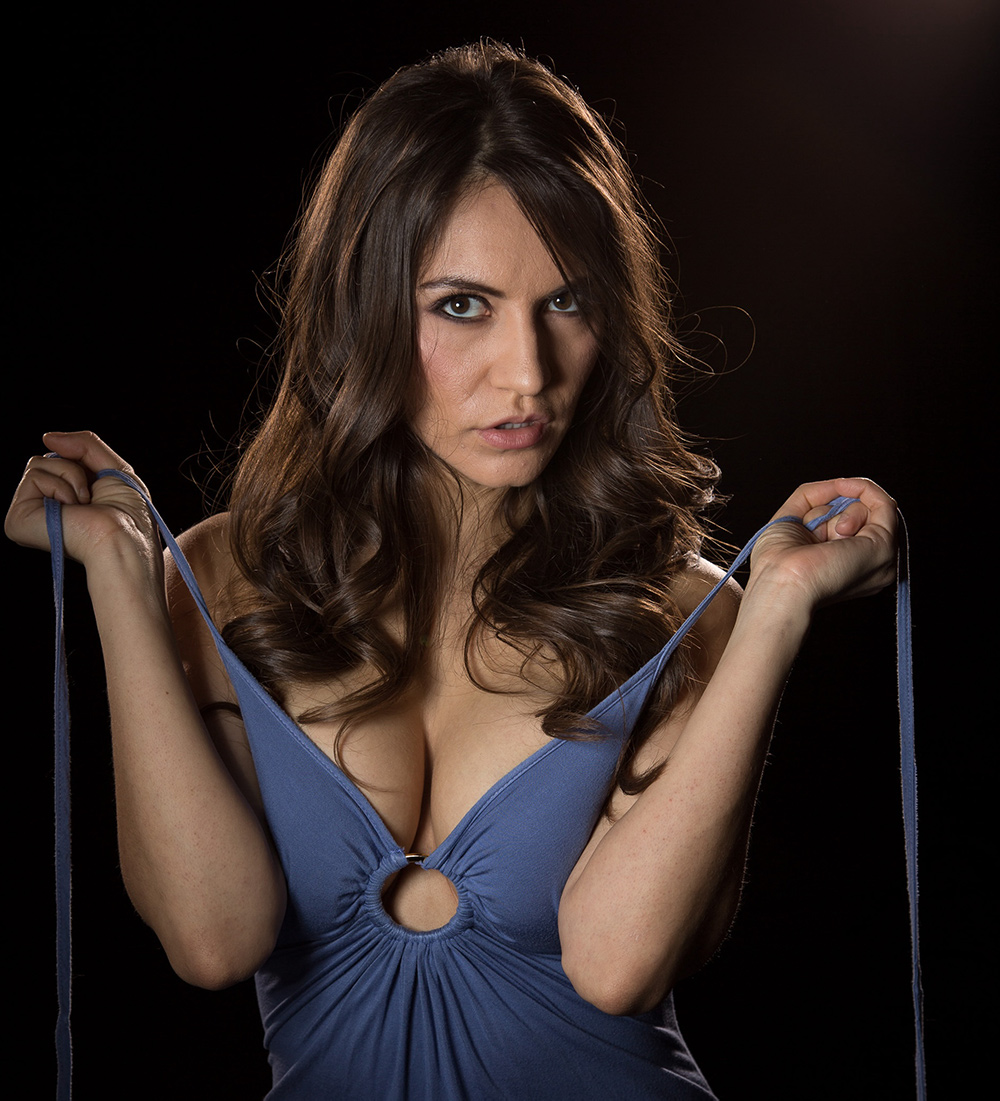
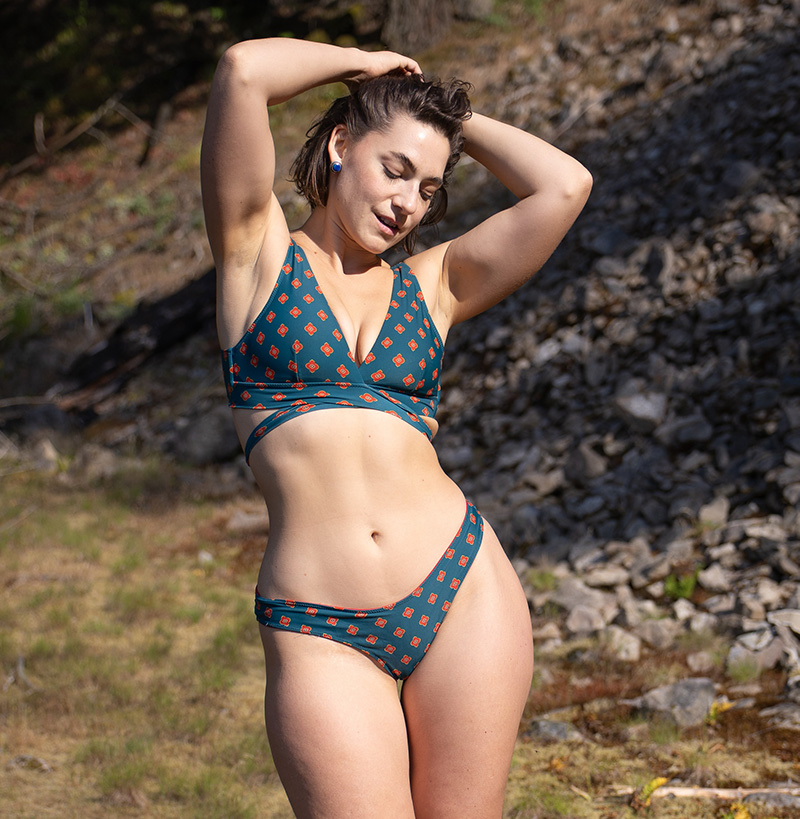
Boudoir photography is, at heart, an act of empowerment. It takes an ordinary person — not a model by trade, but someone who has rarely seen themselves this way — and hands them back an image of their own body as something composed, deliberate and worth celebrating. The amateur who photographs herself as a form of self-expression and the commercial photographer who builds a practice around everyday people are doing the same essential thing: treating a body as a subject, and a subject as something the person is proud to share. The work is intimate, it is personal, and at its best it changes how someone sees themselves.
And then it meets the social internet, where almost all of it dies at the like. The most affirming photograph a person has ever taken of themselves earns a small heart, a few generous comments, and a place in a feed that scrolls it out of sight within the hour. The appreciation is real — people genuinely respond to this work — but it arrives in a currency that buys nothing. The model is admired and moves on. The photographer is praised and moves on. The audience that loved the image has no way to do more than tap it. Everyone in the frame is left exactly where they started.