
Why characters bring attention
Every popular anime, game and comic has a fandom: people who follow the series, collect the art, and search for their favourite character every single day. A character is, in marketing terms, a brand with millions of loyal fans.
If you are a cosplayer, you already know this. But even if you only dabble, a well-chosen character gives your content a marketing spin that a generic set never has. Name the character, and your photos and videos become findable by the fans who are already looking for them.
A character is a brand with a fandom. Dress the part, say the name, and the fans come looking.
Even a light cosplay works
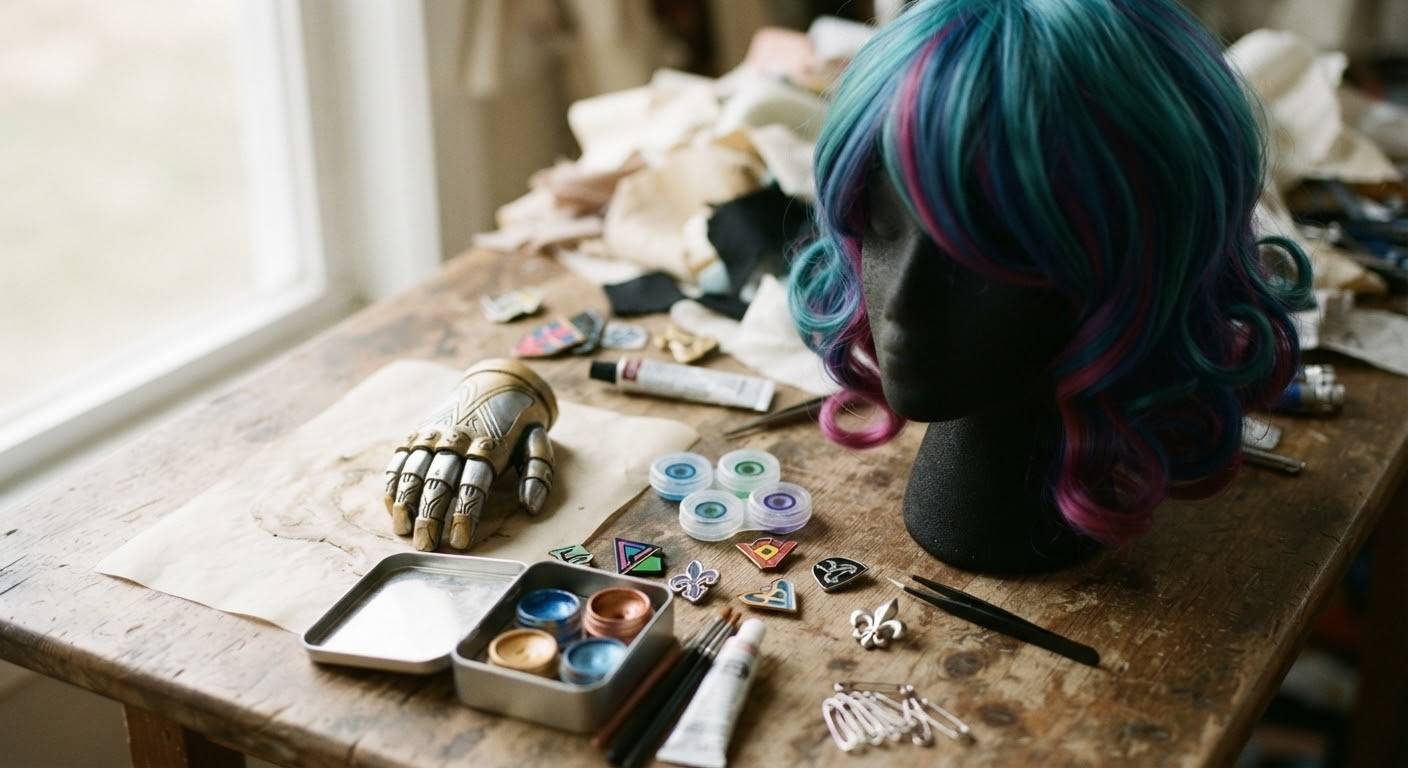
You don't need a convention-grade costume with hand-built armour. Fans recognise characters by their signature details, and those are often enough:
- The colour. Many characters are defined by one or two colours.
- The hair. A wig in the right colour and cut does most of the work.
- One accessory or prop. A weapon, a pair of gloves, a pair of horns, a signature belt.
Pair those with lingerie, swimwear or your own styling and you have a cosplay-inspired set: easy to produce, and instantly recognisable when you name the character.
Adult characters only
Anime and manga make this easy to get wrong, because many characters are drawn with adult figures while being teenagers in the story. Lum from Urusei Yatsura is a good example: an iconic design, but in the series she is a 17-year-old who attends Tomobiki High School. She is not a character for adult content.
Before you choose a character, check their age and role in the story. And never use school uniforms, childlike styling or props that make you look underage, whoever you are dressed as.
Characters to consider
A few well-known characters who are clearly adults in their stories, to get you thinking:
| Source | Characters |
|---|---|
| Video games | Tifa Lockhart (Final Fantasy VII), 2B (NieR: Automata), Lara Croft (Tomb Raider), Bayonetta, Ada Wong and Jill Valentine (Resident Evil) |
| Anime and manga | Yor Forger (Spy x Family), Makima (Chainsaw Man), Nico Robin and Boa Hancock (One Piece), Faye Valentine (Cowboy Bebop), Revy (Black Lagoon), Motoko Kusanagi (Ghost in the Shell) |
| Comics | Harley Quinn, Poison Ivy, Catwoman, Wonder Woman |
Harley Quinn has long been among the most cosplayed characters on Instagram, and Tifa Lockhart and 2B rank among the most popular video game cosplays. New anime seasons and game releases create fresh waves of interest, so watch what your audience is talking about.
Some franchises mix adult characters with child characters. Check each character individually, never the franchise as a whole.
How to use the character name
The character's name goes wherever fans discover your content:
- Pick an adult character you love. Choose a character who is clearly an adult in their story, from a series with an active fan base.
- Nail the signature details. Even a light cosplay works if it has the character's signature colour, hair, accessory or prop.
- Name the character and series. Put the character and series in your Box title, description and hashtags, for example "Tifa Lockhart cosplay, Final Fantasy VII".
- Tease it in SFW posts. Share safe-for-work previews in cosplay communities and on social media, and link to your BentBox page.
- Keep it fan-made. Use your own costume and photos, no official logos, artwork or screenshots, and never claim the content is official or licensed.
As with any Box, the name gets the search and the story gets the click: "Tifa after hours" draws more interest than a bare list of keywords. More on writing titles in Would You Buy It?, and on the same idea for fashion in Wear the Brand.
Fan-made, not official
Characters belong to their creators and are protected by copyright and trademarks. Selling cosplay content sits in a grey area: most rights holders tolerate fan cosplay, but some have acted against cosplayers selling prints, and Western studios in particular have sent takedown requests. Keep your risk low:
- Make or buy your own costume. Your interpretation, your photos.
- No official material. Never use logos, official artwork, screenshots or the series' title design.
- Never claim it's official. Say "cosplay of" or "inspired by", never "official" or "licensed".
- Respect takedown requests. If a rights holder asks you to remove something, remove it.
- Consider original characters. Your own space pirate, vampire or cyberpunk mercenary avoids most rights questions and can still use genre keywords.
This is general guidance, not legal advice.