Glamour photography has always lived in two places at once — the fully mainstream, and the fine-art nude. Today's platforms make you pick one. Here is the case for a home that holds both.
Glamour photography has never been one thing. At its most public it is fully mainstream — beauty campaigns, fashion stories, the kind of considered portraiture that runs in any magazine and hangs on any wall. At its most expressive it is the fine-art nude: the human form treated as a serious subject, the way painters and photographers have treated it for more than a century. Most working glamour photographers move freely between the two. Their problem is not the work. It is that no mainstream platform will hold both halves of it at once.
The split is not new; the squeeze is. The unclothed figure has been central to art since antiquity, and photography inherited that lineage the moment the medium existed — a long line of photographers built entire bodies of work on it. What has changed is where that work is allowed to live. The platforms that now mediate almost all discovery have drawn a hard line: nudity of any kind, however artistic, is prohibited outright. So a photographer whose catalogue spans both realms is asked, in effect, to pretend half of it does not exist — or to bury all of it somewhere it will never be found.
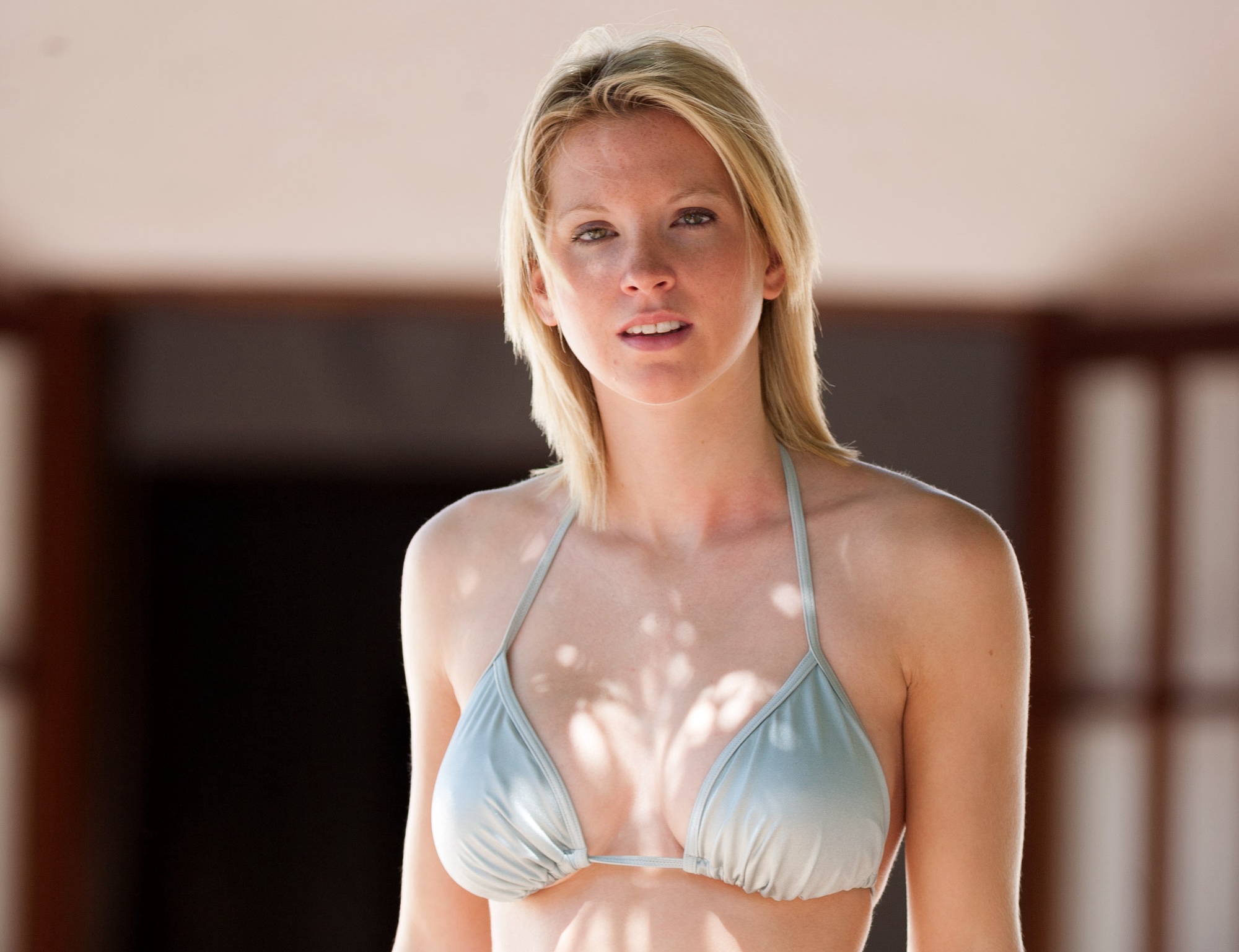
Serious work earns a serious home. A discipline that has belonged in galleries for a century should not have to choose between being hidden and being refused.
— BentBox Editorial

Today's rules push glamour photography to opposite extremes, and neither extreme works. On the mainstream platforms, nudity is banned without nuance — fine-art and explicit treated as the same thing — so the artistic half of a photographer's practice simply cannot exist there, and the mainstream half is often throttled by association. The alternatives swing the other way and age-gate everything, which sounds responsible until you notice the effect: the openly publishable, campaign-ready work ends up locked behind the same verification wall as the rest, where a curious first-time visitor never reaches it. One model erases half the discipline. The other hides all of it.
The cost is easy to miss because it is a cost of absence. Work that should be discoverable — that a new admirer might find through a fashion editorial, a gallery show or a social profile — instead disappears from the open web entirely. A discipline with a hundred years of standing becomes something you have to already know how to find. That is not a moderation success. It is a discovery failure, and it falls hardest on exactly the photographers doing the most careful work.
Folio is the safe-for-work portfolio surface of BentBox: a clean public page where a photographer shows their mainstream work, openly and without an age gate. It is the cover the whole argument turns on — the link that belongs in a bio.
A home for this discipline does not require choosing between the two extremes — it requires keeping them properly apart in one place. That is the shape of the answer. An open, safe-for-work cover carries the mainstream work: beauty, fashion and portraiture, indexable and shareable, the front door that brings new audiences in without a wall. Behind it, a compliant, age-verified section holds the fine-art nude work, handled to the letter of the rules. The mainstream stays discoverable; the artistic stays available; and a photographer finally shows a whole catalogue instead of a censored fragment of one.
In practice, the separation is simple, and it is what BentBox's Folio is built to do. Work is sorted by realm, reviewed before it appears, and presented so that each half does what it should — the cover invites, the section delivers.
Glamour photography spans two realms: the fully mainstream — beauty, fashion and editorial portraiture — and the fine-art nude, where the human form is treated as a serious artistic subject. Many photographers work across both, which is why platform rules that allow only one create such a problem.
Most mainstream social platforms prohibit nudity of any kind and apply the rule without distinguishing fine-art work from explicit content. Because their moderation treats all nudity the same, even tasteful, century-old artistic traditions are removed, leaving photographers no room for half of their discipline.
They need a platform that separates the two correctly: an open, safe-for-work cover for mainstream work and a compliant, age-verified section for fine-art nude work. BentBox's Folio is built this way, so a photographer can show a full catalogue in one place.
A compliant cover is the public, safe-for-work face of a photographer's page — open, browsable and indexable with no age gate. It carries the mainstream work and brings new audiences in, while fine-art nude work sits in a separate, age-verified section behind it.
No. Fine-art nude photography treats the unclothed figure as an artistic subject and is composed, intentional and non-explicit. Platforms that collapse the two under a single ban are the reason a dedicated, properly separated home is needed.
A BentBox editorial essay. BentBox is an independent creator marketplace, established 2015; Folio is its safe-for-work portfolio surface.
Open a Folio, publish your mainstream work to an open cover and your fine-art work to a compliant, age-verified section, and keep 100% of the price you set. One catalogue, properly whole — instead of a censored fragment of one.